
by Sallyanne Keevers | Jan 5, 2026 | Burnout & Boundaries, Women's Lives
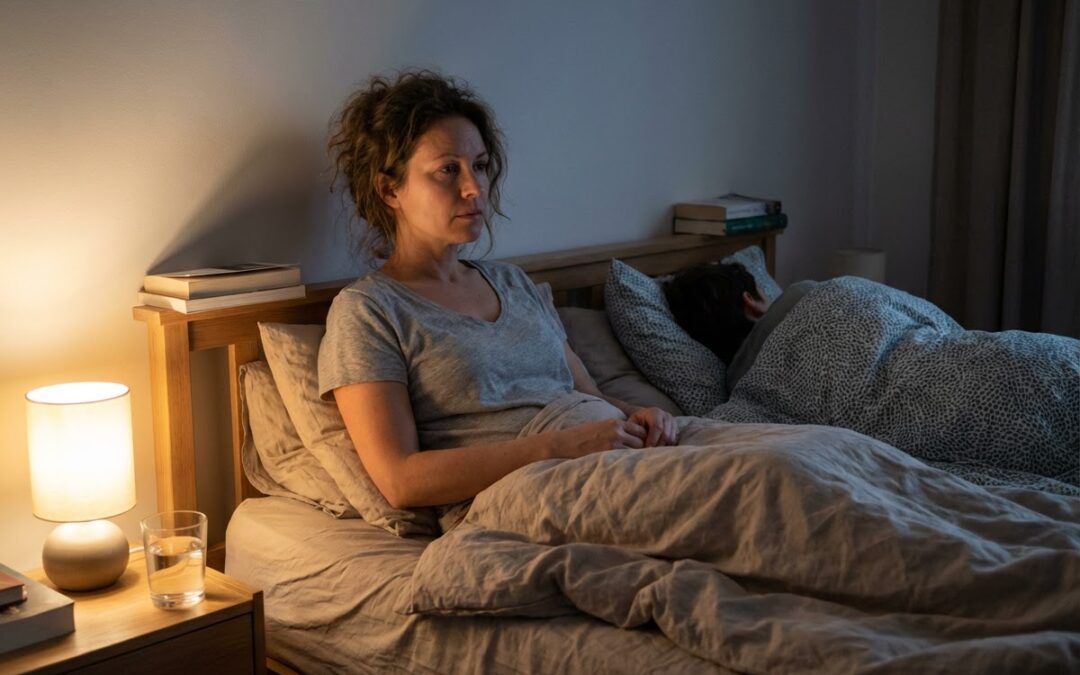
If you find yourself lying in bed asking, “Why is my anxiety worse at night?” you are not alone.
During the day you cope. You manage. You push through meetings, parenting, responsibilities, conversations.
Then the house goes quiet.
And suddenly your mind will not stop.
Night-time anxiety can feel confusing. Nothing specific is happening. Yet your body feels alert, restless, wired, or heavy with dread.
So why is anxiety worse at night for so many women?
Let’s look at what is actually going on.
Why Is My Anxiety Worse at Night?
When anxiety feels worse at night, it is rarely random. There are several overlapping reasons this pattern shows up.
1. There Are No Distractions Left
During the day, your nervous system is busy.
You are responding to emails, solving problems, managing children, navigating social interactions. Even stress can function as a distraction.
At night, there is nothing buffering you from your internal world.
The thoughts that were background noise during the day become louder.
Worries about relationships.
Work conversations replaying.
Financial concerns.
Health fears.
Things you said.
Things you did not say.
When external stimulation drops, internal content rises.
2. Your Nervous System Is Finally Slowing Down
Many high-functioning women operate in a low-grade state of stress all day.
You may not consciously feel anxious. You just feel productive, responsible, capable.
But when your body finally attempts to downshift, stored stress can surface.
This is one reason anxiety feels worse at night. Your body is no longer performing. It is processing.
If you resonate with this pattern, you may also relate to my article on high-functioning anxiety in women, where I explore how competence can mask chronic stress.
3. Suppressed Emotions Have Space to Surface
Night removes the performance layer.
During the day, you are the organiser. The steady one. The responsible one.
At night, grief, resentment, loneliness, or exhaustion may start to move.
Many women who experience invisible mental load notice that anxiety increases once everyone else is asleep. It is often the first quiet moment you have had all day.
Anxiety at night can sometimes be a signal of emotional backlog rather than a random spike in fear.
4. Cortisol and Blood Sugar Fluctuations
There is also a biological component.
Stress hormones such as cortisol follow daily rhythms. For some people, dysregulation can lead to early-morning waking or night-time alertness.
Blood sugar fluctuations can also trigger adrenaline release, which feels like anxiety.
This does not mean something is “wrong” with you. It means your body and nervous system are sensitive and responsive.
If you regularly wake around 3am feeling alert or anxious, you may also want to read my article on waking at 3am with anxiety, where I explore this pattern more deeply.
Jean Hailes for Women’s Health provides some reasons and practical ideas in their article: Your back-to-sleep-guide for 3am wake-ups
5. Perfectionism and Over-Responsibility
If you are someone who carries a lot of responsibility, night can become a mental audit.
Did I do enough?
Did I forget anything?
What if something goes wrong tomorrow?
Women who over-function in relationships often experience night-time anxiety because their minds are constantly scanning for what needs managing next.
Anxiety worse at night can sometimes reflect the weight of emotional labour that has not yet been acknowledged.
Why Anxiety Feels Louder in the Dark
Darkness changes perception.
There are fewer sensory cues.
Fewer reminders that you are safe.
Less relational contact.
For some women, night-time anxiety connects to earlier life experiences of unpredictability, conflict, or emotional isolation.
When everything is quiet, your nervous system may become hyper-alert.
Not because you are weak.
Because your body learned to stay prepared.
What Helps When Anxiety Is Worse at Night?
You do not need a perfect routine. But a few shifts can help:
Create a wind-down buffer before bed
Reduce late-night scrolling and news exposure
Eat in a way that stabilises blood sugar
Allow small emotional check-ins during the day
Notice patterns without judging yourself
Most importantly, try not to fight the anxiety.
When you treat night-time anxiety as an enemy, it escalates. When you treat it as information, it softens.
Instead of asking, “How do I stop this?”
Try asking, “What might this be telling me?”
When to Seek Support
If you constantly wonder, “Why is my anxiety worse at night?” and it is affecting your sleep, relationships, or daily functioning, it may be time to explore it more deeply.
Night-time anxiety is rarely just about sleep.
It can be about:
Unprocessed stress
Emotional burnout
Invisible mental load
Chronic over-responsibility
Unmet needs
Therapy offers space to unpack what surfaces in the dark.
Not to eliminate your anxiety overnight.
But to understand it.
And when anxiety is understood, it often becomes less overwhelming.
You Do Not Have to Handle It Alone
If anxiety feels worse at night and you are tired of coping silently, support is available.
You can explore more articles here:
• High-Functioning Anxiety in Women
• Invisible Mental Load and Emotional Labour
• Why Do I Wake Up Anxious at 3am?
Or, if you are ready for deeper support, you can learn more about working with me here.
You deserve rest. Not just productivity.
Frequently Asked Questions
Why is my anxiety worse at night even when nothing is wrong?
Night removes distraction. When the environment becomes quiet, internal worries and emotional backlog become more noticeable.
Can anxiety wake you up in the middle of the night?
Yes. Stress hormones and adrenaline surges can trigger sudden waking, often around the early hours of the morning.
Is night-time anxiety a sign of burnout?
It can be. Persistent stress and emotional over-functioning often show up once the body tries to rest.
Not sure yet whether therapy is right for you? You are welcome to book a free 15-minute chat, or ask me a question.
If you recognise yourself in this, the checklist below might help you see what you’ve been carrying.
Sallyanne Keevers is a PACFA Clinical Member and Registered Supervisor, and an ACA Level 2 Member and Registered Supervisor, based in Queensland, Australia. She specialises in IFS, Brainspotting, and trauma-informed depth psychotherapy for women, and offers clinical supervision for counsellors and psychotherapists. Sallyanne works exclusively online with women across Australia and internationally.
by Sallyanne Keevers | Jan 2, 2026 | Burnout & Boundaries, Women's Lives
Why do I wake up anxious at 3am?
You fall asleep tired.
You’ve done everything you needed to do.
Nothing dramatic is happening in your life.
And then your eyes open.
Your chest feels tight.
Your mind is racing.
There’s a quiet sense of dread that wasn’t there when you went to bed.
You look at the clock.
3:07am.
If you keep asking yourself, “Why do I wake up anxious at 3am?”, you are not alone. This is one of the most common patterns women describe when they are carrying long-term stress, emotional responsibility, or hidden anxiety.
Let’s look at what is really happening.
Your Stress Hormones Naturally Rise Around 3am
There is a biological reason many women wake at this time.
In the early hours of the morning, cortisol begins to rise to prepare your body to wake. If your nervous system is already sensitised by stress, that hormonal shift can feel like anxiety.
Instead of gently transitioning toward morning, your body interprets the signal as threat.
If you are already stretched thin, this hormonal rise amplifies what is sitting underneath.
Night-Time Removes Distraction
During the day, you are busy.
You are managing work. Children. Emails. Conversations. Planning. Emotional labour.
At night, there are no distractions.
The thoughts you have pushed aside surface.
Unfinished conversations.
Financial pressure.
Relationship strain.
That quiet resentment you have not voiced.
Night-time anxiety often reveals what daylight busyness has been covering.
If you resonate with carrying more than your share emotionally, you may find this helpful:
Emotional Labour in Relationships: When One Person Carries the Weight
3. You Are Living in Low-Level Hypervigilance
If you frequently ask, “Why do I wake up anxious at 3am?”, your nervous system may be stuck in light alert.
Many high-functioning women live in constant responsibility mode. Even when nothing is wrong, your body remains semi-prepared.
Hypervigilance does not always look dramatic. It can look like:
-
Being the responsible one
-
Anticipating everyone’s needs
-
Planning ahead constantly
-
Struggling to switch off
I explore this further in:
High-Functioning Anxiety in Women: Why You’re Successful but Always On Edge
When the body never fully powers down, sleep becomes fragile.
4. Your Blood Sugar May Dip
There can also be a metabolic element.
Around 3am, blood sugar can drop. If your body is already stressed, it may release adrenaline to stabilise it.
That adrenaline surge can feel like:
-
Sudden alertness
-
Tight chest
-
Sweaty palms
-
Racing thoughts
While this is not the only explanation for waking anxious at night, it can contribute.
If this pattern is frequent, it is worth discussing with your GP.
5. You Are Emotionally Burnt Out
Relational burnout does not always show up as tears.
It can show up as waking at 3am with dread.
If you have been holding everything together, smoothing tension, carrying invisible mental load, and absorbing other people’s emotional states, your system eventually protests.
You may also recognise signs described here:
What Is the Invisible Mental Load? Why It Feels So Heavy for Women
Waking anxious at 3am can be your body asking for something to change.
6. You Feel Alone in Responsibility
Many women who wake anxious at night describe a quiet internal belief:
“If I don’t think about it, no one will.”
Responsibility does not switch off at bedtime.
Your mind keeps rehearsing solutions because it does not feel safe to let go.
If you relate to being “the capable one,” you may find this article relevant:
How to Stop Over-Functioning in Relationships
Why Night-Time Anxiety Feels Worse
Anxiety often feels stronger at night because:
-
It is dark and quiet
-
There is less sensory input
-
Fatigue lowers your resilience
-
You feel alone with your thoughts
Research and mental health organisations such as Beyond Blue note that anxiety symptoms can intensify during periods of stress and sleep disruption.
The key point is this:
Waking anxious at 3am is rarely random.
It is usually connected to long-term load.
What Helps When You Wake Anxious at 3am
First, reduce self-judgement.
Instead of asking, “What is wrong with me?”, try asking:
What am I carrying that my body is not settling?
Gentle strategies can help in the moment:
-
Slow breathing with longer exhales
-
Placing one hand on your chest
-
Avoiding immediate phone scrolling
-
Reminding yourself: This is uncomfortable, but not dangerous
But long-term relief comes from addressing the pattern.
That might mean:
-
Reducing emotional labour
-
Sharing responsibility
-
Exploring high-functioning anxiety
-
Examining resentment
-
Building nervous system capacity
If you consistently ask, “Why do I wake up anxious at 3am?”, it may be time to explore what your body has been holding.
If This Feels Familiar
If you are waking anxious at 3am and feeling quietly stretched thin during the day, you do not have to navigate that alone.
I work online with women who look capable on the outside but feel internally unsettled.
You can learn more about working with me here.
Or get in touch here.
You deserve sleep that feels safe.
FAQs
Why do I wake up anxious at 3am even when nothing is wrong?
Night-time anxiety often reflects accumulated stress, hypervigilance, hormonal shifts, or emotional load rather than a specific immediate problem.
Is waking up anxious at 3am a sign of anxiety disorder?
Not necessarily. It can be linked to stress, burnout, relationship strain, or nervous system activation. Persistent symptoms should be discussed with a health professional.
Why is anxiety worse at night?
At night there are fewer distractions, cortisol shifts occur, and fatigue lowers resilience, making anxious thoughts feel louder.
How can I stop waking up anxious at 3am?
Short-term calming strategies help, but long-term change usually involves reducing chronic stress and addressing the patterns keeping your nervous system activated.
Not sure yet whether therapy is right for you? You are welcome to book a free 15-minute chat, or ask me a question.
If you recognise yourself in this, the checklist below might help you see what you’ve been carrying.
Sallyanne Keevers is a PACFA Clinical Member and Registered Supervisor, and an ACA Level 2 Member and Registered Supervisor, based in Queensland, Australia. She specialises in IFS, Brainspotting, and trauma-informed depth psychotherapy for women, and offers clinical supervision for counsellors and psychotherapists. Sallyanne works exclusively online with women across Australia and internationally.
by Sallyanne Keevers | Dec 29, 2025 | Burnout & Boundaries, Women's Lives
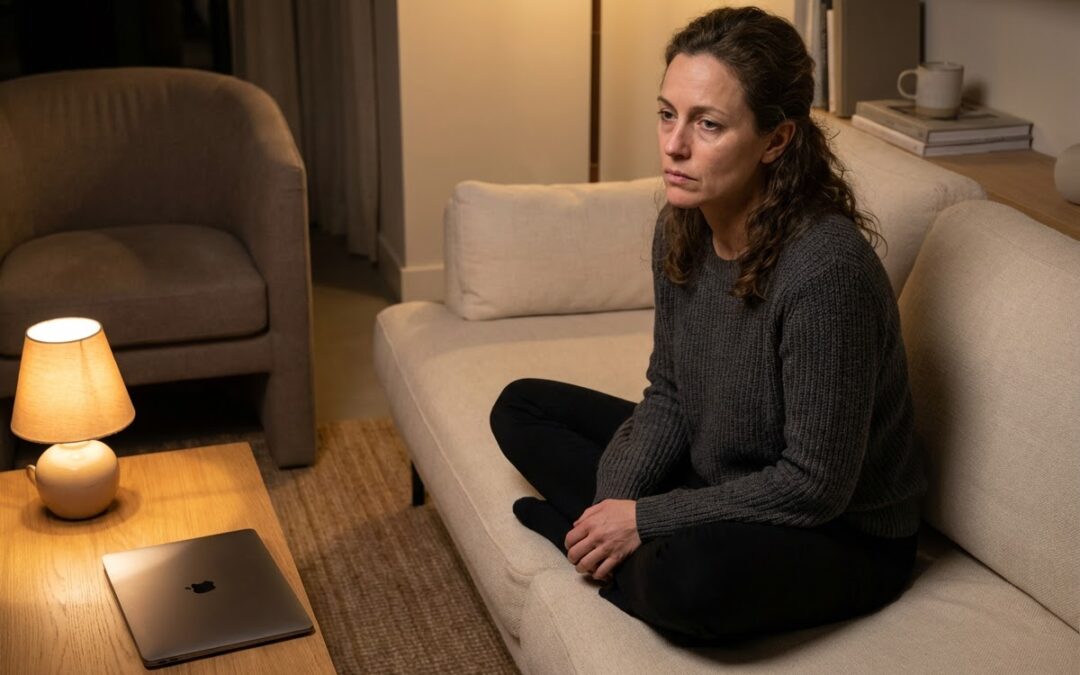
If you are exhausted but can’t relax, you are not imagining it.
You might fall into bed feeling drained.
You might cancel plans because you have no energy.
You might say, “I’m so tired.”
And yet when you finally stop, your body does not soften.
Your mind keeps running.
Your chest feels tight.
You scroll.
You organise tomorrow.
You replay conversations.
You are tired, but you are not at rest.
For many high-functioning women, being exhausted but unable to relax is not a time-management issue. It is a nervous system pattern.
Below are seven real reasons this happens.
1. Exhausted but Can’t Relax: Your Nervous System Is Stuck in “On”
When you live in responsibility mode for long enough, your body adapts.
It learns that alert equals safe.
If you are used to anticipating needs, solving problems, or managing emotional tension in relationships, your system may not trust stillness.
Relaxing can feel unfamiliar.
Even unsafe.
This is common in women carrying the invisible mental load. If that resonates, you may find this helpful:
What Is the Invisible Mental Load? Why It Feels So Heavy for Women
2. You Have Learned That Rest Must Be Earned
Many capable women carry a quiet rule:
“I can relax once everything is done.”
But everything is never done.
There is always another email.
Another form.
Another conversation to manage.
If rest feels conditional, your body never receives permission to fully switch off.
If you are the emotional regulator in your home or relationship, your system stays semi-alert.
You might be:
Even if no crisis is happening, your body is preparing.
Over time, this creates a state where you feel exhausted but can’t relax because part of you is always “on call.”
If this feels familiar, you may also relate to:
Emotional Labour in Relationships: When One Person Carries the Weight
4. You Are Experiencing Early Emotional Burnout
Burnout is not only about work.
Relational burnout happens quietly.
It builds through over-functioning.
Through carrying more than your share.
If you notice:
-
Irritability
-
Emotional numbness
-
Quiet resentment
-
Detachment
Your inability to relax may be a signal, not a flaw.
You can read more about relational burnout here:
Relational Burnout in Women: When You Feel Done
For broader information on burnout symptoms in Australia, Beyond Blue offers a helpful overview:
Burnout and mental health
Some women do not look anxious.
They look competent.
They perform well.
They meet deadlines.
They manage families.
But underneath, their nervous system never truly powers down.
If you often think, “Nothing is wrong, so why can’t I calm down?” you may want to explore this piece:
High-Functioning Anxiety in Women: Why You’re Successful but Always on Edge
Being exhausted but unable to relax can be the body’s way of signalling chronic internal vigilance.
6. You Feel Responsible for Everyone
Responsibility can become identity.
If you are “the reliable one,” your system may equate rest with letting people down.
Even when no one is asking anything of you, your internal wiring says:
Stay ready.
Stay available.
Stay capable.
If that dynamic feels painfully familiar, this may resonate:
How to Stop Over-Functioning in Relationships
7. Slowing Down Brings Up Feelings You’ve Been Avoiding
Sometimes exhaustion is safer than stillness.
When you stop, emotions surface.
Sadness.
Loneliness.
Resentment.
Grief.
Staying busy protects you from feeling what has been postponed.
If you are exhausted but can’t relax, your body may be holding more than your calendar shows.
What Helps When You Are Exhausted but Can’t Relax?
Quick fixes rarely work because this pattern is not about productivity.
It is about safety.
What helps is:
-
Reducing over-functioning
-
Sharing emotional labour
-
Addressing relational imbalance
-
Supporting your nervous system gently
-
Exploring the deeper pattern driving vigilance
Real rest is not achieved through forcing relaxation.
It comes when your system no longer believes it has to hold everything together.
A Gentle Question
If you were allowed to stop carrying so much, what would shift?
Not practically.
Emotionally.
Would you feel relief?
Fear?
Anger?
Grief?
Often the inability to relax is not weakness.
It is adaptation.
If This Is You
If you are exhausted but can’t relax, and you are tired of holding it all together quietly, you do not have to navigate that alone.
I work with capable, responsible women who look steady on the outside but feel overstretched within.
You can book a session here.
Or you are welcome to explore more articles in this space and take your time.
Frequently Asked Questions
Why am I exhausted but can’t relax?
Often because your nervous system has adapted to chronic responsibility, emotional labour, or vigilance. Your body may not feel safe switching off.
Is being exhausted but unable to relax a sign of anxiety?
It can be. High-functioning anxiety often presents as competence externally but internal hyper-alertness that prevents true rest.
Can burnout cause you to feel exhausted but wired?
Yes. Emotional or relational burnout can create a pattern where you feel drained yet unable to soften.
How do I teach my body to relax again?
Gradually. By reducing over-functioning, addressing relational imbalance, and creating emotional safety rather than forcing stillness.
Not sure yet whether therapy is right for you? You are welcome to book a free 15-minute chat, or ask me a question.
Sallyanne Keevers is a PACFA Clinical Member and Registered Supervisor, and an ACA Level 2 Member and Registered Supervisor, based in Queensland, Australia. She specialises in IFS, Brainspotting, and trauma-informed depth psychotherapy for women, and offers clinical supervision for counsellors and psychotherapists. Sallyanne works exclusively online with women across Australia and internationally.
by Sallyanne Keevers | Dec 24, 2025 | Burnout & Boundaries, Women's Lives
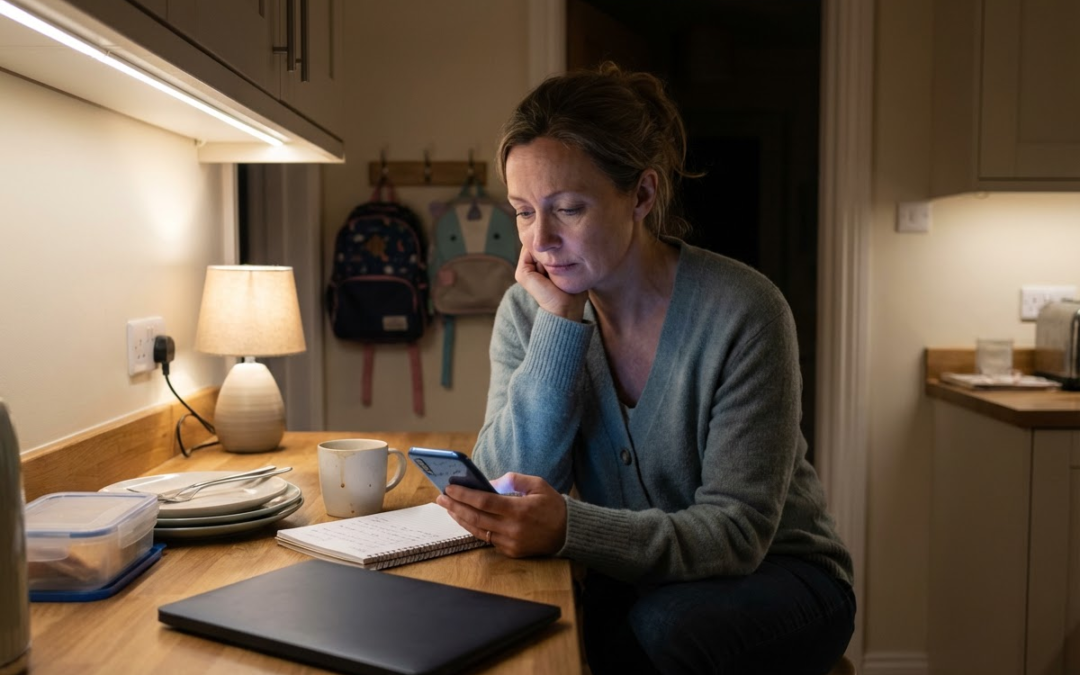
The signs of emotional burnout in women are rarely dramatic.
You may still be functioning. Still showing up. Still holding everything together.
From the outside, nothing looks wrong.
But underneath, something feels thinner. More brittle. Harder to access.
Emotional burnout in women often hides behind competence. It builds quietly through responsibility, emotional labour, invisible planning, and the expectation that you will manage not just tasks, but tone, tension, and togetherness.
If you have been feeling “off” but cannot quite name why, these subtle signs may help you recognise what is happening.
1. You Feel Irritable More Than You Used To
You are not an angry person. But lately, small things grate.
Requests that once felt manageable now feel intrusive. Noise feels sharper. Interruptions feel personal.
Irritability is often one of the early signs of emotional burnout in women. When your nervous system has been in long-term activation, it has less room for flexibility. You are not failing. You are depleted.
Beyond Blue notes that chronic stress and emotional overload can present as irritability, fatigue, and anxiety.
2. Small Requests Feel Overwhelming
Someone asks a simple question and your body reacts as if it is one more weight on an already full shelf.
You may be carrying what is often described as the invisible mental load. Tracking appointments. Anticipating needs. Remembering birthdays. Planning ahead.
If that sounds familiar, you may want to read my article on invisible mental load for women, where I explore how constant anticipation becomes exhausting.
Burnout is not always about doing too much physically. It is often about thinking too much, for too many people, for too long.
3. You Fantasise About Escaping
Not dramatically. Just quietly.
You imagine a hotel room alone. A week with no one asking anything of you. Silence.
This is not selfishness. It is often your nervous system signalling that it needs space.
When emotional labour has been constant, your system craves relief from being the organiser, mediator, and emotional regulator.
4. You Feel Emotionally Numb
Instead of overwhelm, you feel flat.
Things that once moved you feel distant. Conversations feel effortful. Joy feels muted.
Emotional burnout in women does not always look like tears. Sometimes it looks like a subtle withdrawal.
The nervous system can move into a protective “shut down” state when it has been overextended for too long.
5. You Resent People You Love
Resentment can be one of the clearest signs of emotional burnout in women.
You notice a growing edge in yourself. A quiet tallying. A sense that you are carrying more than others realise.
If this resonates, you might find it helpful to read Why Do I Feel Resentful in My Relationship?, where I explore how resentment often signals imbalance rather than incompatibility.
Resentment is rarely random. It usually points to load.
6. Rest Does Not Restore You
You go to bed earlier. You take a day off. You try to rest.
But the exhaustion remains.
When burnout is emotional and relational, sleep alone does not resolve it. If your mind continues scanning, planning, or anticipating, your body never truly powers down.
You may also relate to Why Am I So Tired Emotionally? When Nothing Is “Wrong” but You Feel Drained, which explores this deeper fatigue.
7. You Feel Alone in Responsibility
You are the one who remembers. The one who organises. The one who holds the emotional centre of gravity.
Even in partnership, you feel alone in the background work.
This overlaps with emotional labour in relationships, where one person becomes responsible for managing the atmosphere and emotional tone.
Burnout grows when responsibility is invisible and unshared.
8. You Question Whether You Are “Too Sensitive”
You minimise your own strain.
Other people cope. Other women manage. Maybe you are just not resilient enough.
But emotional burnout in women does not happen in isolation. It happens within systems. Gendered expectations. Cultural norms. Patterns where care work becomes assumed rather than acknowledged.
Your sensitivity may actually be awareness.
9. You Feel Done, But Do Not Know What Needs to Change
You cannot pinpoint a single problem.
You just feel… done.
Relational burnout in women often emerges this way. Not through one dramatic rupture, but through years of small imbalances that accumulate.
If this feels familiar, you may want to read Relational Burnout in Women: When You Feel Done.
Burnout is often not about love disappearing. It is about capacity thinning.
Why Emotional Burnout in Women Builds Slowly
Emotional burnout in women tends to develop gradually because the behaviours that create it are often praised.
You are reliable. Capable. Organised. Selfless.
Over-functioning can feel virtuous. Emotional labour can feel necessary. The invisible mental load can feel like simply being competent.
But when responsibility is chronically uneven, the nervous system adapts to constant activation. Over time, that activation becomes depletion.
Burnout is not a personal flaw. It is often the predictable outcome of sustained emotional and relational over-extension.
If You Recognise These Signs
If you see yourself in several of these signs of emotional burnout in women, it does not mean you are weak.
It may mean you have been strong for too long without adequate support.
Therapy offers a space where you do not have to manage anyone else’s emotions. A space to explore what you have been carrying, how those patterns formed, and what might need to shift.
You can learn more about working with me here.
Or you are welcome to get in touch here.
You do not have to keep holding everything together alone.
Frequently Asked Questions
What are the signs of emotional burnout in women?
The signs of emotional burnout in women often include irritability, emotional numbness, resentment, fatigue that does not resolve with rest, feeling alone in responsibility, and fantasising about escape. Burnout builds gradually and is often linked to sustained emotional labour and invisible mental load.
How is emotional burnout different from depression?
Emotional burnout is typically linked to prolonged stress and over-responsibility. It often improves when load shifts. Depression can involve broader changes in mood, sleep, appetite, and motivation that are not solely linked to situational stress. If you are unsure, speaking with a qualified professional can help clarify what you are experiencing.
Can emotional labour cause burnout?
Yes. When one person consistently manages the emotional tone of relationships, anticipates needs, and smooths tension without reciprocity, emotional labour can contribute significantly to burnout.
How do I recover from emotional burnout?
Recovery usually involves reducing load, increasing support, examining relational patterns, and allowing space for your own emotional needs. Therapy can help you understand how these patterns developed and how to shift them safely and sustainably.
Not sure yet whether therapy is right for you? You are welcome to book a free 15-minute chat, or ask me a question.
Sallyanne Keevers is a PACFA Clinical Member and Registered Supervisor, and an ACA Level 2 Member and Registered Supervisor, based in Queensland, Australia. She specialises in IFS, Brainspotting, and trauma-informed depth psychotherapy for women, and offers clinical supervision for counsellors and psychotherapists. Sallyanne works exclusively online with women across Australia and internationally.

by Sallyanne Keevers | Dec 22, 2025 | Burnout & Boundaries, Women's Lives
If you keep thinking, why do I feel resentful in my relationship?, you are not alone, and the answer is often more complex than a single argument or unmet request.
Resentment rarely appears out of nowhere. It builds slowly. Quietly. Often in capable, caring women who pride themselves on holding things together.
You may not even recognise it at first. It can sound like:
-
“Why am I the only one who notices this?”
-
“Why do I always have to ask?”
-
“Why does everything feel like my job?”
-
“Why am I so irritated all the time?”
Resentment is often a signal, not a flaw.
Let’s look at what it may actually be pointing to.
In this article:
-
Why resentment builds quietly
-
The invisible mental load
-
Emotional labour in relationships
-
Over-functioning and imbalance
-
What can begin to shift
1. Why Do I Feel Resentful in My Relationship? The Invisible Mental Load
Many women quietly wonder why they feel resentful in their relationship, especially when nothing dramatic has happened.
If you are the one tracking appointments, remembering birthdays, anticipating problems, planning meals, and thinking five steps ahead, that cognitive labour adds up.
You may relate to my article on invisible mental load for women, where I explore how constant anticipation becomes exhausting.
When one partner becomes the organiser, emotional regulator, and household manager, resentment is often the emotional consequence.
2. You Are Performing Emotional Labour
When women search “why do I feel resentful in my relationship,” they are often trying to make sense of a deeper imbalance – not just conflict, but accumulated responsibility.
Resentment grows when you are not just doing tasks, but managing atmosphere.
If you smooth tension.
If you monitor moods.
If you adjust yourself to keep peace.
That is emotional labour.
I explore this more deeply in emotional labour in relationships.
Over time, one person can become the emotional centre of gravity in a relationship. That weight is rarely visible, but it is deeply felt.
3. You Have Slipped into Over-Functioning
If you’ve been asking yourself, “Why do I feel resentful in my relationship?” it’s often a sign something important is going unspoken.
Many high-functioning women unconsciously over-function.
You:
But over-functioning creates imbalance.
The more you do, the less space there is for someone else to step up.
I discuss this pattern in over-functioning in relationships.
Resentment is often the body’s way of saying, “This is too much.”
4. Your Needs Are Not Being Acknowledged
Sometimes resentment is not about division of labour. It is about lack of recognition.
You may feel:
-
Unseen
-
Taken for granted
-
Emotionally unsupported
-
Alone in responsibility
Even if your partner is not intentionally neglectful, lack of attunement creates distance.
Over time, that distance turns into irritation. Then coldness. Then resentment.
5. You Are Experiencing Relational Burnout
Relational burnout happens when the relationship feels more draining than nourishing.
If you find yourself emotionally withdrawing, fantasising about escape, or feeling chronically depleted, you may relate to relational burnout in women.
Resentment is often an early warning sign.
6. You Have Difficulty Expressing Anger Directly
Many women were not taught how to express anger safely.
So instead of:
“I need more support.”
It becomes:
Silence. Irritation. Distance.
Unexpressed anger does not disappear. It hardens.
Resentment is often anger that never felt safe to speak.
7. You Feel Alone in Responsibility
Sometimes the deepest layer of resentment is loneliness.
Not physical loneliness.
But the loneliness of being the responsible one.
If you relate to that pattern, you may also recognise yourself in Why Am I Always the Responsible One?
When competence becomes identity, asking for help can feel almost destabilising.
What Resentment Is Really Telling You
Resentment is rarely about laziness or selfishness, and resentment is rarely random. If you feel resentful in your relationship, it may be pointing toward unmet needs rather than personal failure.
It is usually about:
-
Imbalance
-
Unmet needs
-
Emotional exhaustion
-
Lack of reciprocity
-
Invisible labour
And often, it appears in women who are deeply committed to their relationships.
Resentment is not a sign you are ungrateful.
It is information.
What Might Change If You Address It?
If you are asking yourself, “why do I feel resentful in my relationship?” it may be worth looking at the emotional patterns underneath the surface.
When resentment is explored rather than suppressed:
-
Boundaries become clearer.
-
Conversations become more honest.
-
Responsibility becomes more shared.
-
Emotional intimacy can return.
But this requires slowing down enough to understand the pattern beneath the irritation.
If this resonates, you may also find these helpful:
And if you are ready to explore what resentment is signalling in your own life, you can:
You do not have to carry everything alone.
FAQ’s
Why do I feel resentful in my relationship?
Resentment often builds from small, repeated imbalances such as emotional labour, invisible mental load, or unmet needs rather than one major event.
Is resentment a sign the relationship is over?
Not necessarily. Resentment is often a signal of imbalance or unspoken needs. When addressed honestly, relationships can strengthen.
Why do high-functioning women experience resentment?
High-functioning women often over-function and take on responsibility automatically, which can create long-term imbalance and emotional exhaustion.
If This Feels Familiar
Resentment rarely means you are unreasonable.
More often, it means something in the relationship has been quietly out of balance for a long time.
If you recognise yourself in this, you might find these helpful:
If you are ready to explore this more deeply, therapy can offer space to understand what you have been carrying and what needs to change.
You can learn more about working with me here or get in touch to begin.
You do not have to keep holding everything in.
Not sure yet whether therapy is right for you? You are welcome to book a free 15-minute chat, or ask me a question.
Sallyanne Keevers is a PACFA Clinical Member and Registered Supervisor, and an ACA Level 2 Member and Registered Supervisor, based in Queensland, Australia. She specialises in IFS, Brainspotting, and trauma-informed depth psychotherapy for women, and offers clinical supervision for counsellors and psychotherapists. Sallyanne works exclusively online with women across Australia and internationally.

by Sallyanne Keevers | Dec 19, 2025 | Burnout & Boundaries, Women's Lives
Why am I always the responsible one?
You may not say it out loud.
But you feel it.
You are the one who:
Remembers.
Organises.
Anticipates.
Smooths tension.
Keeps things moving.
At work.
At home.
In relationships.
And somewhere along the way, responsibility stopped feeling empowering and started feeling heavy.
When Responsibility Becomes Identity
Being capable is not the problem.
The problem begins when capability turns into default responsibility.
You may notice:
You make the plans.
You initiate difficult conversations.
You manage the emotional tone.
You notice when something needs fixing.
You absorb the consequences when others don’t follow through.
This is often how emotional labour builds quietly.
It does not arrive as a dramatic imbalance.
It grows through small moments of stepping in.
Over time, the question “why am I always the responsible one?” becomes less about tasks and more about roles.
The Over-Functioning Pattern
When one person over-functions, someone else often under-functions.
Not maliciously.
Relationally.
You may step forward because:
It feels easier.
It feels faster.
It avoids conflict.
It keeps things stable.
But stability maintained by one person alone is exhausting.
This dynamic is closely connected to over-functioning in relationships and the invisible mental load many women carry.
Responsibility becomes a shield.
And shields are heavy.
The Nervous System Cost
If you are always the responsible one, your nervous system rarely gets to stand down.
You are scanning for:
What might go wrong.
Who needs support.
What hasn’t been handled.
What conversation needs to happen next.
Even when things are calm, your body may not fully relax.
This is where responsibility overlaps with anxiety and relational burnout.
You may not describe yourself as anxious.
But you are rarely off duty.
Why It Feels So Hard to Step Back
If you’ve been asking, “why am I always the responsible one?”, there may be deeper layers.
For many women, responsibility began early.
You were praised for being mature.
Reliable.
Helpful.
The easy child.
Responsibility may have felt like safety.
Like belonging.
Like worth.
So stepping back can trigger discomfort:
If I don’t hold it together, who will?
If I stop managing this, will everything fall apart?
If I ask for more, will I seem difficult?
These are not small fears.
They are patterned ones.
When Responsibility Turns Into Resentment
You may still function well.
But underneath, something shifts.
Resentment.
Loneliness inside partnership.
Emotional fatigue.
You may relate to the invisible mental load or emotional labour in relationships, where the weight is not visible but constant.
You are not asking for less responsibility in life.
You are asking for shared responsibility.
There is a difference.
What Can Change
The goal is not to become less capable.
It is to become less alone in your capability.
That begins with:
Noticing where you automatically step in.
Understanding what responsibility gives you.
Recognising what it costs.
Therapy offers a space to explore these patterns gently.
Not to blame anyone.
But to restore balance.
You are allowed to be competent without carrying everyone else.
If This Feels Familiar
If you keep asking, “why am I always the responsible one?”, it may be less about other people and more about a relational pattern that has quietly formed around you.
You may also resonate with:
Invisible mental load
Emotional labour in relationships
Relational burnout in women
How to stop over-functioning in relationships
You do not have to dismantle the pattern alone.
If you’d like to explore this work:
Learn more about working with me
Read more about emotional labour
Book a session
What would shift if responsibility was shared rather than assumed?
FAQ’s
Why am I always the responsible one in my relationship?
Often this pattern develops when one partner consistently steps in to maintain stability. Over time, roles become entrenched and imbalance grows quietly.
Is being the responsible one a trauma response?
It can be. For some women, early experiences of being praised for maturity or reliability can shape adult relational patterns.
How do I stop being the responsible one?
Change begins with awareness. Small shifts in stepping back, allowing space, and tolerating discomfort can gradually rebalance dynamics.
Further reading
If this pattern is familiar, you may find these helpful:
If you’d like to explore whether this is a fit for you, you can:
What might become possible if you did not have to be the responsible one all the time?
Not sure yet whether therapy is right for you? You are welcome to book a free 15-minute chat, or ask me a question.
If you recognise yourself in this, the checklist below might help you see what you’ve been carrying.
Sallyanne Keevers is a PACFA Clinical Member and Registered Supervisor, and an ACA Level 2 Member and Registered Supervisor, based in Queensland, Australia. She specialises in IFS, Brainspotting, and trauma-informed depth psychotherapy for women, and offers clinical supervision for counsellors and psychotherapists. Sallyanne works exclusively online with women across Australia and internationally.