

Therapy for women often begins long before a crisis.
It begins in the quiet exhaustion that doesn’t look dramatic.
In the invisible responsibility no one else quite sees.
In the tension of holding everything together while appearing fine.
Many women carry more than they ever name.
Careers. Families. Expectations.
Emotional temperature. Household logistics. Relational stability.
And much of it is invisible.
The Invisible Work No One Sees
Women carry a mental and emotional load that rarely gets tracked.
The calendars. The birthday gifts.
The follow-up messages.
The remembering.
The anticipating.
The unpaid logistics.
The silent regulating.
The constant tending.
This kind of work rarely gets acknowledged, but it accumulates.
Over time, that invisible labour contributes to:
• Chronic stress
• Irritability
• Anxiety
• Emotional burnout
• Quiet resentment
I explore this more deeply in my writing on the invisible mental load and emotional labour in relationships, because this pattern is not individual weakness. It is structural and relational.
When “Looking Fine” Masks Something Else
Many of the women who seek therapy for women are functioning well by most standards.
They show up.
They perform.
They keep things moving.
But beneath that competence, there is often:
• Exhaustion
• Loneliness
• Feeling unseen
• A sense of carrying more than feels fair
Sometimes there is a history that shaped how they cope.
Sometimes the pressure just builds year after year.
Because it does not look like crisis, it often gets dismissed.
But high-functioning does not mean unaffected.
Why Therapy for Women Is Different
Therapy for women often includes conversations that are rarely centred elsewhere.
We look at:
• Boundary patterns
• Relational imbalance
• Identity shifts across life stages
According to Beyond Blue, women are more likely to experience anxiety and depression during periods of prolonged stress and life transition. When responsibility accumulates without restoration, the nervous system responds.
Therapy becomes a place to slow that pattern down.
Not to blame.
Not to pathologise.
But to understand.
Therapy for Women Who Are Strong, Not Falling Apart
I do not focus on women because they are fragile.
I focus on them because they are strong and often unsupported.
Not everyone who needs therapy is collapsing.
Some are simply tired of holding everything together.
They are thoughtful, capable and committed to growth.
But ready for something deeper than coping strategies.
They want:
• Real change
• Real connection
• Real self-understanding
Not just functioning.
Not just managing.
But recalibrating.
Common Reasons Women Seek Therapy
Women often reach out when they notice:
• Increased irritability
• Feeling constantly on edge
• Night-time waking or racing thoughts
• Disconnection in relationships
• Resentment they cannot easily explain
• Feeling stuck despite external success
These are not signs of failure.
They are signals.
Often, they are signs that emotional labour has been carried alone for too long.
You Do Not Have to Explain It Away
You do not need to justify why you feel tired, disconnected or quietly overwhelmed.
You carry so much.
That matters.
Therapy for women is not about proving something is wrong.
It is about recognising what has been carried and creating space for something different.
No woman should have to do that work alone.
Frequently Asked Questions About Therapy for Women
Why do women experience burnout differently?
Women often carry emotional labour and invisible mental load alongside professional roles. This combination increases chronic stress and reduces opportunities for recovery.
Is therapy for women different from general therapy?
Therapy for women often includes exploring relational patterns, emotional labour, boundaries and identity shifts that may not be addressed in generic approaches.
Do I need to be in crisis to seek therapy?
No. Many women seek therapy not because they are falling apart, but because they are tired of over-functioning.
Invitation to Connect
If you recognise yourself in this (the invisible load, the quiet exhaustion, the strength that goes unseen), therapy can offer space to pause and recalibrate.
You can learn more about working with me here.
Or reach out via my contact page to begin a conversation.
You deserve to feel supported, not only when it becomes unbearable, but precisely because you have carried so much for so long.
Not sure yet whether therapy is right for you? You are welcome to book a free 15-minute chat, or ask me a question.
If this feels familiar, the checklist below might help you see what you’ve been carrying.
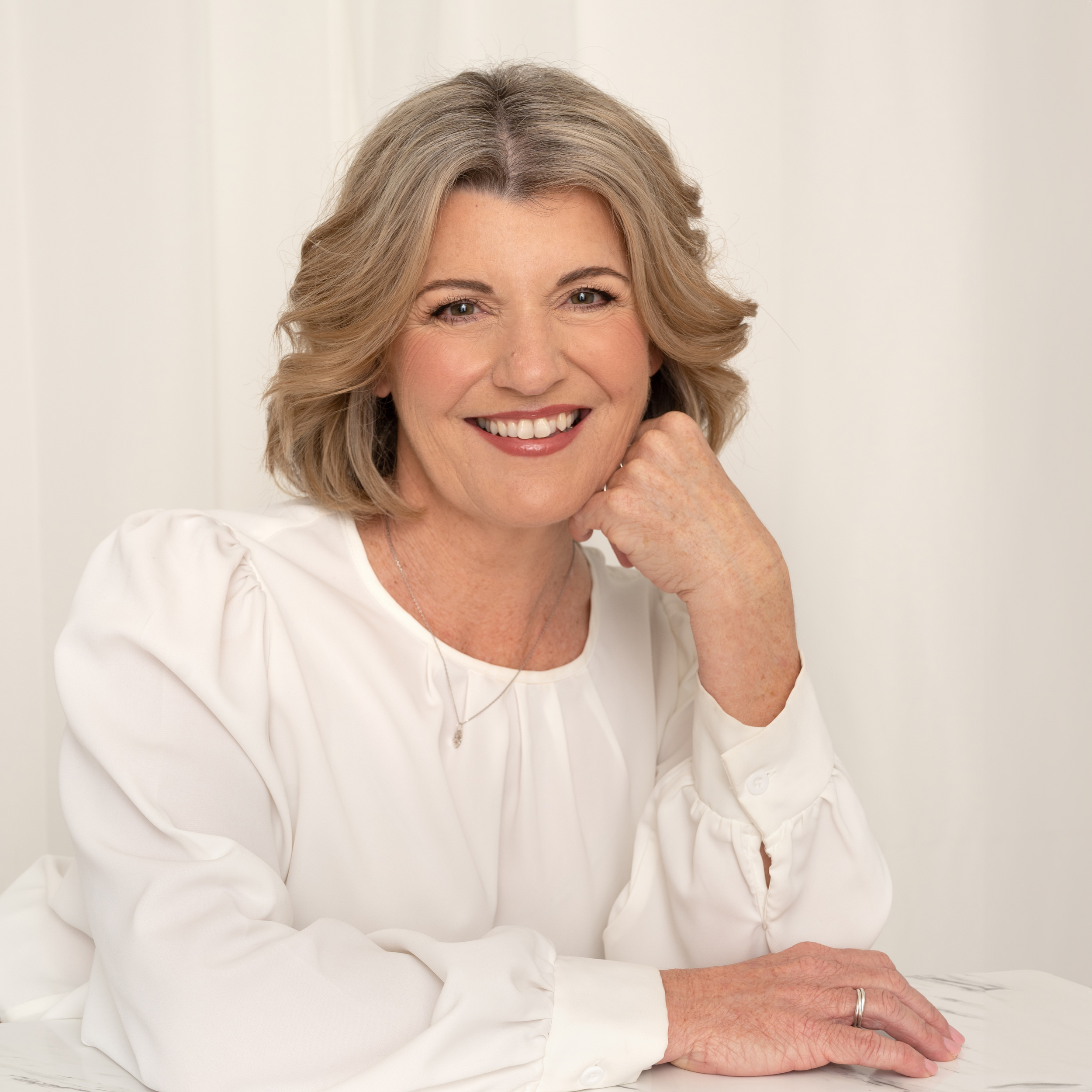
Sallyanne Keevers is a PACFA Clinical Member and Registered Supervisor, and an ACA Level 2 Member and Registered Supervisor, based in Queensland, Australia. She specialises in IFS, Brainspotting, and trauma-informed depth psychotherapy for women, and offers clinical supervision for counsellors and psychotherapists. Sallyanne works exclusively online with women across Australia and internationally.