
Online therapy for anxiety has become one of the most commonly searched therapeutic options in Australia, and for good reason. Anxiety is one of the most prevalent mental health experiences women face, and access to quality specialist support has historically been limited by geography, cost, and the fragmented nature of the mental health system.
But not all online therapy for anxiety is the same. There is a significant difference between therapy that teaches anxiety management techniques and therapy that addresses the underlying patterns driving the anxiety in the first place. For women whose anxiety has persisted despite good self-awareness, previous therapy, and considerable effort, that difference matters enormously.
This post covers what depth-oriented online therapy for anxiety involves, how it differs from standard approaches, and what to look for when choosing a therapist.
Why Anxiety Persists Despite Good Management
Most anxiety management approaches work at the level of thoughts and behaviours. They help identify distorted thinking, build better coping responses, and develop the capacity to tolerate anxious feelings without being overwhelmed by them. These approaches are genuinely useful and well-evidenced.
But for many women, they work up to a point and then plateau. The anxiety reduces but does not go away. The tools help in the moment but do not change the underlying state. The woman knows her thinking is distorted, can apply the reframe, and still wakes at three in the morning with her heart already racing.
This happens because chronic anxiety is not primarily a thinking problem. It is a physiological state: a nervous system that has learned to stay on alert, held in the body as a pattern of chronic activation. Changing the thoughts does not necessarily change the underlying state. The body is not responding to the present moment. It is responding to a learned pattern, shaped by earlier experience, that has been held in the nervous system long after the circumstances that created it have changed.
What Online Therapy for Anxiety Can Offer Beyond Management
Depth-oriented online therapy for anxiety works at a different level to standard approaches. Rather than focusing on symptom management, it addresses the underlying patterns generating the anxiety: the inner parts driving the vigilance, the physiological activation held in the body, and the earlier experiences that shaped the nervous system’s threat response.
Internal Family Systems therapy approaches anxiety as a part: an intelligent protective response that took on a role for good reasons and has not yet received the message that things are different. Rather than trying to reduce or manage the anxious part, IFS builds relationship with it: understanding what it is protecting, what it fears, and what it would need in order to genuinely stand down.
Brainspotting addresses the physiological dimension, working directly with the nervous system to process the stored activation underneath the anxiety. It does not require narrative or cognitive engagement. It works beneath language, at the level where the anxiety actually lives.
Together, these approaches produce a quality of change that management alone rarely achieves: not just reduced anxiety, but a genuine easing of the internal state that has been generating it.
Is Online Therapy as Effective for Anxiety as In-Person?
The research on this question is clear: online therapy for anxiety produces outcomes comparable to in-person therapy across a range of anxiety presentations. The therapeutic relationship (the strongest predictor of outcomes in any therapy) can be built and sustained effectively via video.
For body-based approaches like IFS and Brainspotting, online delivery works well in practice. The inward focus these approaches require is often supported rather than hindered by working from a familiar private environment. Many clients report feeling more settled doing this work from home than they would in a clinical room.
Online access also removes geography as a barrier to specialist support. Women in regional and rural Australia, or those with demanding schedules that make regular in-person appointments difficult, can access high quality anxiety therapy without compromise.
Who Online Therapy for Anxiety Suits
Depth-oriented online therapy for anxiety is particularly well suited to women who are self-aware and psychologically minded, who have done reading and perhaps previous therapy, who understand their anxiety intellectually, and who are still carrying it in the body.
It is also well suited to women with high-functioning anxiety: the kind that coexists with achievement and looks fine from the outside, but involves a chronic internal vigilance, a difficulty ever truly resting, and a bracing for things to go wrong even in the absence of any actual threat.
And it suits women who are ready to do something more than manage, who want to understand what the anxiety is actually protecting and what it would take for the nervous system to genuinely settle, rather than just learning better ways to cope with the state it is in.
Frequently Asked Questions
What type of therapy is most effective for anxiety online?
For anxiety that has not responded fully to standard approaches, depth-oriented therapies that work with the body and the underlying patterns, such as IFS and Brainspotting, tend to produce the most lasting results. For anxiety that is presenting for the first time or is relatively straightforward, structured approaches like CBT also have strong evidence and work well online. The right choice depends on the complexity of the presentation and what the person has already tried.
How many sessions of online therapy does it take to help anxiety?
This depends on the complexity and history of the anxiety. Some women notice meaningful shifts within a few sessions. For chronic, long-standing, or complex anxiety, the work tends to unfold over a longer period. Depth-oriented therapy is not designed for rapid symptom relief. It is designed for lasting change. Progress is reviewed regularly so that therapy remains purposeful.
Do I need a referral to access online therapy for anxiety in Australia?
No referral is required to access private psychotherapy. A GP referral is only necessary if you are seeking Medicare rebates through a Mental Health Treatment Plan, which applies to psychologists registered with Medicare. Private psychotherapists can be accessed directly without a referral.
Can online therapy help with physical symptoms of anxiety?
Yes. The physical symptoms of anxiety (racing heart, chest tightness, difficulty breathing, stomach churning, chronic muscle tension) are physiological expressions of nervous system activation. Body-based therapeutic approaches like Brainspotting work directly with that activation rather than just the thoughts around it. Many women notice a reduction in physical anxiety symptoms as the underlying nervous system state begins to settle.
Online Therapy for Anxiety That Goes Deeper
If your anxiety has persisted despite good self-management and previous support, I would welcome a conversation. I work exclusively with women, fully online across Australia, using IFS and Brainspotting to address anxiety at the level where it actually lives: not just in the thoughts, but in the nervous system and the deeper patterns driving it.
You can read more about how I work on my approach page. When you are ready, get in touch directly to ask a question or enquire about availability. I aim to respond to all enquiries within two business days.
Anxiety that has been there a long time is not a fixed part of who you are. It is a pattern that formed for reasons, and patterns can change.
Further Reading
- Online Psychotherapy for Women in Australia: What to Look For and What to Expect
- High-Functioning Anxiety in Women: Why You’re Successful but Always On Edge
- How IFS Therapy Helps High-Functioning Anxiety
- Brainspotting for Anxiety: When the Activation Lives in the Body
- Why Do I Feel Anxious When Nothing Is Wrong?
Not sure yet whether therapy is right for you? You are welcome to book a free 15-minute chat, or ask me a question.
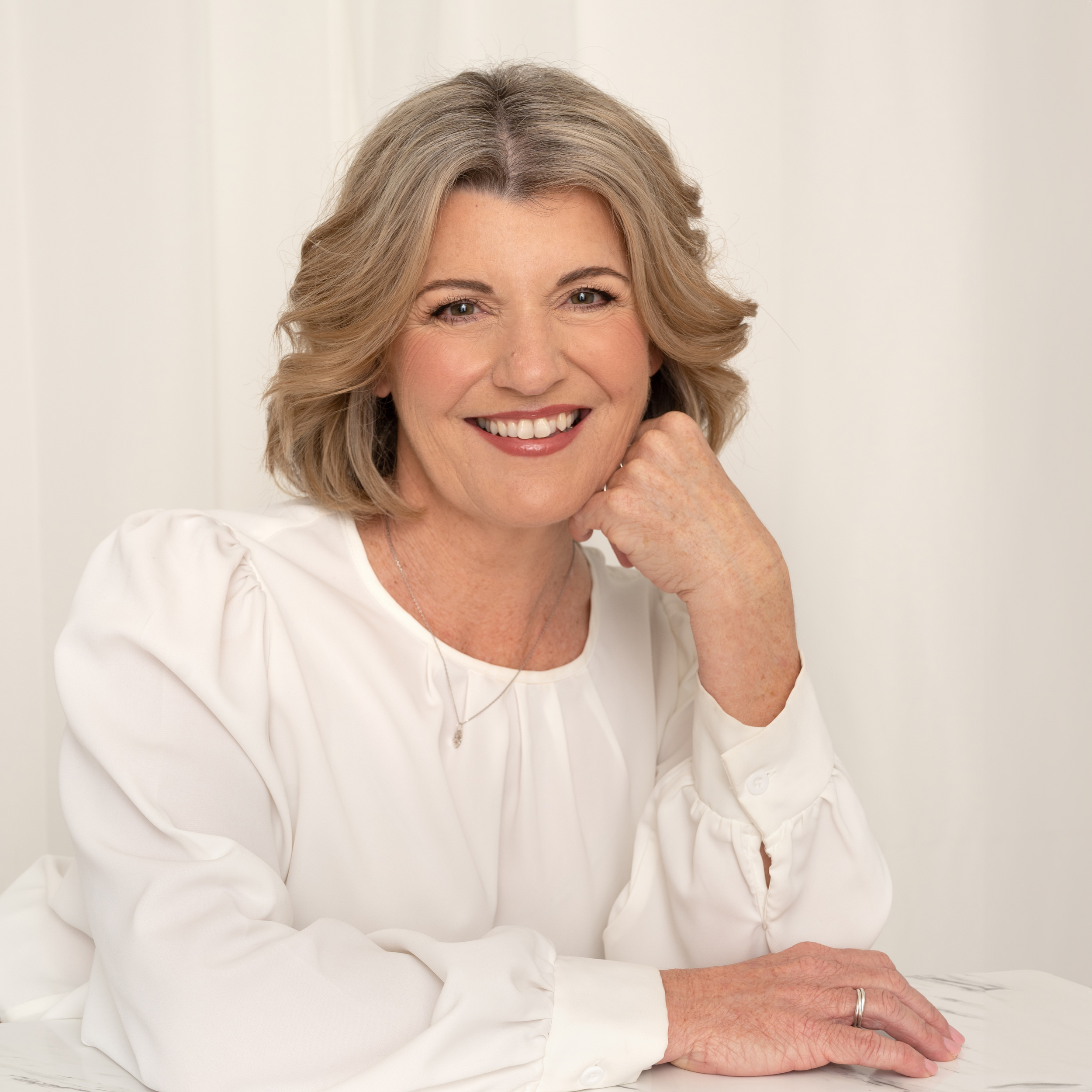
Sallyanne Keevers is a PACFA Clinical Member and Registered Supervisor, and an ACA Level 2 Member and Registered Supervisor, based in Queensland, Australia. She specialises in IFS, Brainspotting, and trauma-informed depth psychotherapy for women, and offers clinical supervision for counsellors and psychotherapists. Sallyanne works exclusively online with women across Australia and internationally.