

If you have been searching for IFS therapy in Australia, this guide is for you. You have probably spent years learning how to handle yourself. How to calm down, push through, stay composed, not need too much. And for a long time, it has worked, at least on the surface. But underneath, something still feels unsettled. Like there is a part of you that keeps getting in the way, no matter how much insight you have accumulated.
IFS therapy offers a different way of understanding that. Not as a flaw to be corrected, but as a system of inner parts, each with its own logic, its own history, its own role. And in Australia, it is one of the most sought-after approaches for women doing serious inner work.
This post is a thorough introduction to IFS therapy in Australia: what it is, how it works, and whether it might be what you have been looking for.
What Is IFS Therapy in Australia?
Internal Family Systems (IFS) is a therapeutic model developed by Dr Richard Schwartz in the 1980s. It is based on the idea that the mind is naturally multiple. We are not one unified self but a collection of inner parts, each carrying its own feelings, beliefs, and motivations.
You might recognise this in yourself. There is the part that wants to rest, and the part that says you cannot. The part that longs for deeper connection, and the part that stays guarded. The part that is exhausted by always being responsible, and the part that does not know how to stop.
IFS does not try to eliminate these parts or silence them. Instead, it helps you build a relationship with them, to understand what they are protecting you from and what they need in order to finally relax their grip.
At the centre of the IFS model is the concept of the Self: a core state of clarity, compassion, and calm that exists in every person, regardless of their history. The therapeutic work of IFS is essentially about helping the Self lead, rather than letting wounded parts run the show.
The Three Types of Parts
IFS identifies three categories of parts:
- Managers: parts that work proactively to keep you functioning and protect you from pain. These are often the high-achieving, perfectionist, controlling parts. They keep life running, but at significant cost.
- Firefighters: parts that react when pain breaks through. They act fast and without much nuance: overeating, scrolling, drinking, dissociating, snapping at people you love. Their only goal is to put out the fire.
- Exiles: the vulnerable parts that carry the original wounds. Shame, grief, loneliness, fear. These parts are often hidden away because they feel too raw to be seen, but they are at the root of what the managers and firefighters are trying so hard to contain.
Understanding your own internal system through this lens can be genuinely revelatory. It shifts the question from ‘what is wrong with me?’ to ‘what happened to this part of me, and what does it need?’
Why IFS Therapy Is Different from Other Approaches
Most therapy models work with thoughts, behaviours, or narratives. You explore your patterns, understand where they came from, develop better coping strategies. That is valuable work. But for many women, insight alone does not move the needle. You can know exactly why you over-function in relationships and still be unable to stop.
This is where IFS works differently. It goes beneath understanding to direct experience. Rather than talking about your inner critic, you turn towards it, and have an actual conversation with it. Rather than analysing your anxiety, you get curious about the part of you that is anxious, what it is carrying, and what it is afraid will happen if it stops.
This is not a metaphor. It is a structured, evidence-informed process that produces real, lasting change, particularly for women who have already done significant intellectual and emotional work and are ready to go deeper.
What IFS Therapy Is Particularly Good For
IFS is a versatile model that has strong research support for trauma, but it is just as effective for the more diffuse patterns that many high-functioning women live with, the ones that do not look like trauma from the outside.
It tends to be particularly powerful for:
- High-functioning anxiety: the kind that coexists with achievement and looks fine from the outside
- Emotional exhaustion from carrying too much responsibility
- Patterns of over-functioning in relationships
- Perfectionism and the inner critic
- Difficulty feeling settled or present, even when life looks good
- Trauma: both single-incident and the more complex relational kind
- Self-worth and identity, particularly during life transitions
What Does the Research Say About IFS?
IFS has a growing body of peer-reviewed research behind it. Studies have demonstrated its effectiveness for post-traumatic stress, depression, and physical health conditions including rheumatoid arthritis. A 2021 study published in the Journal of Aggression, Maltreatment and Trauma found significant reductions in PTSD symptoms and improvements in overall psychological wellbeing following IFS treatment. The model continues to be the subject of active clinical research, and the evidence base is expanding steadily.
The model also has a strong and growing international community of trained therapists, with rigorous training pathways across Levels 1, 2, and 3.
What to Expect from IFS Therapy in Practice
IFS sessions have a distinctive quality. They tend to move more slowly and more inwardly than traditional talk therapy. Your therapist will not be rushing to reframe your thinking or give you tools to manage your symptoms. Instead, you will be guided to turn your attention inward, notice what is present, and gradually get to know the parts that are there.
This can feel unfamiliar at first, particularly if you are someone who is more comfortable being analytical. But most people find that the experience quickly becomes intuitive. Parts communicate in different ways (through images, body sensations, words, emotions) and your therapist will help you find your own way of accessing them.
One of the most consistent things I hear from clients who come to IFS having tried other therapies is that it finally feels like they are getting somewhere. Not just understanding their patterns, but actually feeling them shift.
Is IFS Therapy in Australia Right for You?
IFS therapy in Australia tends to suit women who are psychologically minded, willing to turn inward, and ready for something more than symptom management. If you are someone who has done reading, perhaps tried therapy before, and knows there is something deeper going on that has not yet been reached. This model was built for exactly that.
It is also well suited to women who have had difficulty with therapy in the past. Because the model is non-pathologising and deeply respectful of each part’s protective function, it rarely feels confrontational or destabilising. The pace is led by you.
IFS and Brainspotting: A Powerful Combination
In my practice, I use IFS alongside Brainspotting, a body-based trauma processing method that works with the nervous system directly. The two approaches complement each other well. IFS helps clients understand and connect with their inner system. Brainspotting helps process what those parts are carrying at a physiological level, reaching the places that language alone cannot access.
For women dealing with complex trauma or deeply entrenched patterns, this combination can create a quality of change that feels genuinely different from anything they have experienced before.
Frequently Asked Questions About IFS Therapy
Is IFS therapy available online in Australia?
Yes. IFS works very well in an online format. The core of the work is internal, so the therapeutic relationship and the quality of the process are not diminished by working via video. Many clients across Australia access IFS therapy online, including those in regional and rural areas where specialist practitioners may not be locally available.
How long does IFS therapy take?
This depends on the depth of work and what you are bringing. Some people notice significant shifts within a few months. For those working with complex trauma or longstanding patterns, a longer therapeutic relationship tends to produce the most lasting results. IFS is not a quick-fix model. It is designed for real transformation.
Do I need to have experienced trauma to benefit from IFS?
Not at all. While IFS has strong evidence in trauma treatment, it is equally valuable for anxiety, burnout, perfectionism, relational difficulties, and identity work. Many of the women I work with do not identify as trauma survivors. They simply feel stuck in patterns they cannot shift through willpower or understanding alone.
What is the difference between IFS and parts work?
Parts work is a broader term used across several therapeutic modalities. IFS is the most structured and extensively researched of these models, with a specific framework, defined roles for different parts, and a clear therapeutic pathway. When people refer to parts work in a clinical context, they are most often referring to IFS or an approach closely informed by it.
Work with Sallyanne: IFS Therapy for Women in Australia
If something in this post has landed, I would welcome hearing from you. I work exclusively with women, fully online, bringing together IFS, Brainspotting, and an understanding of the physiological dimensions of mental health that most therapy approaches do not address.
You can read more about how I work and what to expect here. If you are ready to enquire, you are welcome to get in touch directly. I aim to respond to all enquiries within two business days. If you would prefer to go straight to booking, you can request a session through the contact page and we can find a time that works.
This kind of work is not about fixing yourself. It is about finally understanding the parts of you that have been working so hard, and offering them something different. If you are curious about whether IFS therapy might be right for you, I am glad you found your way here.
Further Reading
- What an IFS Therapy Session Actually Feels Like
- How IFS Therapy Helps High-Functioning Anxiety
- High-Functioning Anxiety in Women: Why You’re Successful but Always On Edge
- Emotional Labour and the Exhausted Woman
- Signs of Emotional Burnout in Women: 9 Subtle Clues
Not sure yet whether therapy is right for you? You are welcome to book a free 15-minute chat, or ask me a question.
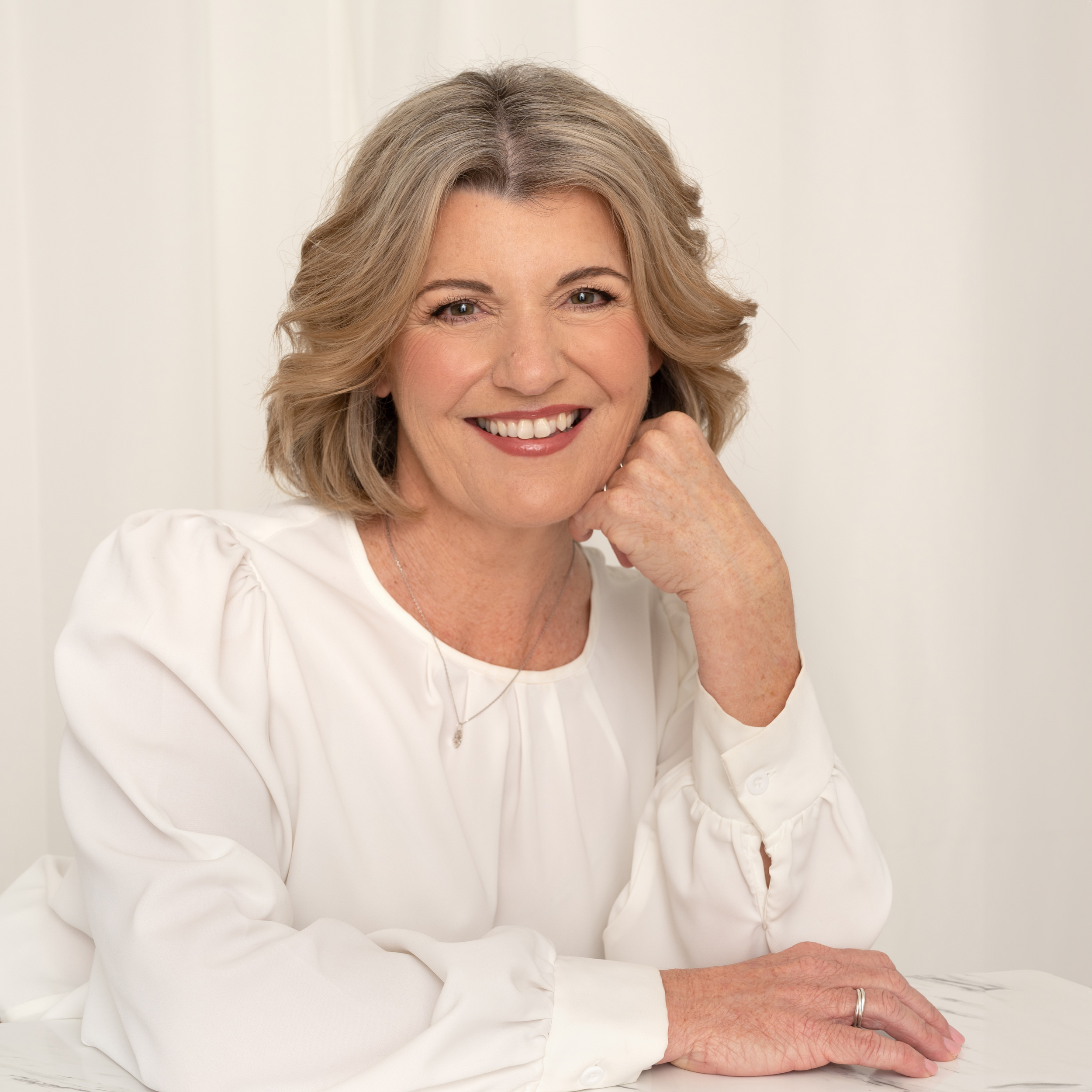
Sallyanne Keevers is a PACFA Clinical Member and Registered Supervisor, and an ACA Level 2 Member and Registered Supervisor, based in Queensland, Australia. She specialises in IFS, Brainspotting, and trauma-informed depth psychotherapy for women, and offers clinical supervision for counsellors and psychotherapists. Sallyanne works exclusively online with women across Australia and internationally.