
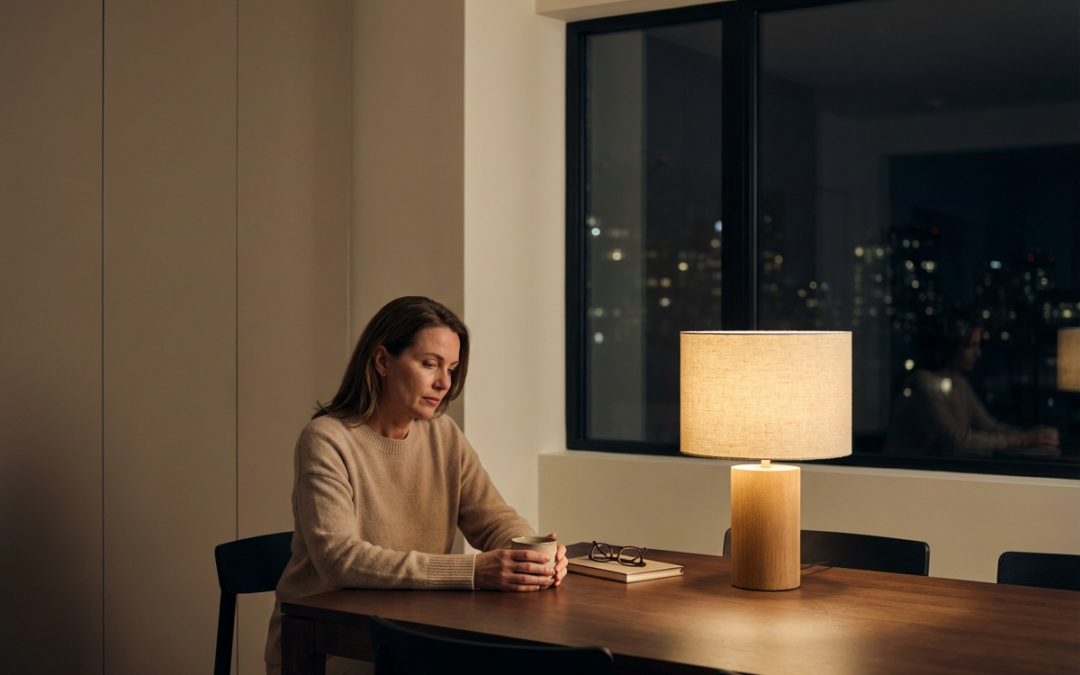
You look capable.
You are capable.
You manage work.
You manage conversations.
You manage emotions.
You manage the atmosphere in a room before anyone else notices it has shifted.
And yet, you are tired in a way sleep does not fix.
This is not laziness.
It is not weakness.
It is not failure.
It is emotional labour.
And many women are carrying far more of it than they realise.
Understanding the concept of emotional labour for woman is crucial for recognising the unseen burdens many carry.
The Woman Who Holds Everything Together: Understanding Emotional Labour for Woman
You anticipate needs before they are spoken.
You soften your tone so someone else does not feel criticised.
You adjust your expectations so conflict does not escalate.
You remember birthdays, schedules, emotional triggers, unspoken tensions.
You track how everyone is coping.
You often become the stabiliser in relationships.
Over time, this can begin to feel automatic. Invisible. Expected.
But emotional labour is not abstract.
It is effort.
It is monitoring.
It is regulation.
And it requires energy.
When that energy is constantly flowing outward, exhaustion is not surprising.
Emotional Labour Is Not Just Emotional
Chronic emotional labour activates your nervous system.
When you are scanning for shifts in mood, anticipating reactions, or managing conflict before it surfaces, your body remains in a subtle state of vigilance.
It may not feel dramatic.
It can look like:
• A hollow sensation in your chest
• Butterflies that are not pleasant
• A low-grade sense of urgency
• Difficulty switching off at night
• Waking with thoughts already running
For many women, this pattern overlaps with what is often described as high-functioning anxiety in women.
Your nervous system learns that staying alert keeps things stable.
That adaptation may have been wise once.
But living in ongoing micro-vigilance is tiring.
Emotional exhaustion in women is often physiological as much as psychological.
If you’re unsure whether this kind of work translates online, you may find it helpful to read about whether online therapy is effective for anxiety.
The System You Live Within
This is not only personal.
Women are still socialised to:
• Be accommodating
• Be emotionally literate
• Maintain harmony
• Be responsible for relational wellbeing
Patriarchal structures and gender expectations have shaped this pattern across generations.
You may not consciously agree with those expectations.
And yet, they operate in workplaces, families, partnerships, and cultural messaging.
The invisible mental load is not imagined.
It is reinforced.
And it accumulates.
This does not mean you are powerless.
But it does mean your exhaustion makes sense.
When Competence Becomes a Burden
High-capacity women are often praised for being:
Reliable
Mature
Responsible
Emotionally intelligent
You may have learned early that being the capable one kept things steady.
You may have been “the strong one” in your family.
You may feel safest when you are useful.
Over time, usefulness can quietly become identity.
And when your identity rests on holding everything together, letting go can feel unsafe.
This is where relational burnout begins.
Not from failure.
From over-functioning.
The Quiet Resentment No One Sees
Emotional labour without recognition can turn into:
Irritability
Withdrawal
Loss of desire
A sense of invisibility
Sudden tears that surprise you
You may feel guilty for wanting less responsibility.
You may minimise your own needs because others “have it harder.”
But depletion is depletion.
And resentment is often a signal that your system is overextended.
What Healing Actually Looks Like
Healing does not mean becoming less capable.
It means redistributing responsibility.
It means learning to tolerate:
• Someone else’s discomfort
• Not fixing immediately
• Not anticipating every outcome
• Allowing others to regulate themselves
It means helping your nervous system learn that stability does not depend solely on you.
This work is relational.
It is gradual.
It is deeply hopeful.
Because capacity does not need to disappear.
It simply needs balance.
Where Therapy Can Help
Many women wonder whether support needs to be in person. Online therapy for women can be a steady and effective way to do this work.
In therapy, we explore:
• The origins of your over-functioning
• The beliefs that keep you responsible for everyone
• The protective strategies behind anxiety
• How your nervous system learned vigilance
We work gently.
Without pathologising.
Without blaming you for adapting.
The aim is not to remove your competence.
It is to support you in being resourced, sovereign, and emotionally steady — without carrying the entire system alone.
If you would like to understand more about how I work, you can read about my services here.
A Question to Sit With
If you stopped holding everything together for a moment, what are you afraid would happen?
And who would you be if stability did not depend entirely on you?
Frequently Asked Questions
What is emotional labour in women?
Emotional labour in women refers to the often invisible work of managing emotions, maintaining harmony, anticipating needs, and stabilising relationships. It is effortful, even when it looks natural from the outside.
Why am I so tired emotionally all the time?
Emotional exhaustion can develop when you are constantly monitoring, anticipating, or regulating the emotional climate around you. Over time, this keeps your nervous system activated and drains energy.
Is emotional labour the same as burnout?
Not exactly. Burnout often relates to work demands. Emotional labour can occur in workplaces, families, friendships, and intimate relationships. The two frequently overlap.
Can therapy help with emotional exhaustion?
Therapy can help you understand the patterns that keep you over-responsible, support nervous system regulation, and redistribute relational load so you are not carrying everything alone.
If This Resonates
If you recognise yourself in this pattern, you do not have to keep carrying it alone.
You can read more about how I work on my Services page.
If you have a question before booking, you’re welcome to get in touch.
Or, if you feel ready, you can book a session here.
Emotional labour often feels invisible.
What would change if your needs were given the same care you so consistently offer others?