
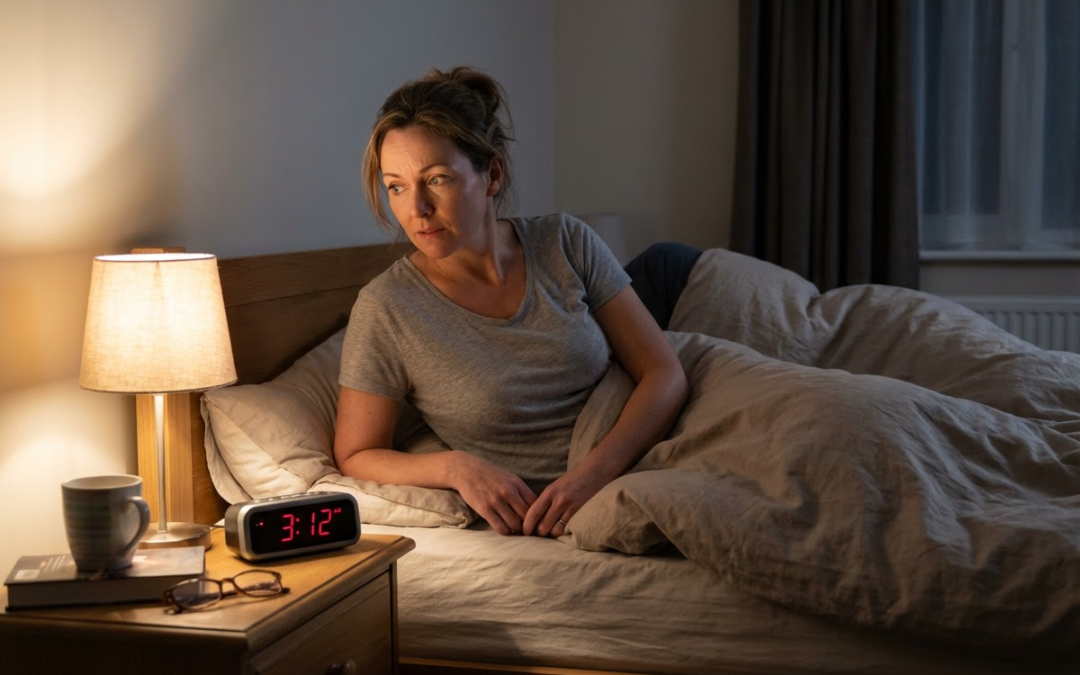
If you find yourself lying in bed asking, “Why is my anxiety worse at night?” you are not alone.
During the day you cope. You manage. You push through meetings, parenting, responsibilities, conversations.
Then the house goes quiet.
And suddenly your mind will not stop.
Night-time anxiety can feel confusing. Nothing specific is happening. Yet your body feels alert, restless, wired, or heavy with dread.
So why is anxiety worse at night for so many women?
Let’s look at what is actually going on.
Why Is My Anxiety Worse at Night?
When anxiety feels worse at night, it is rarely random. There are several overlapping reasons this pattern shows up.
1. There Are No Distractions Left
During the day, your nervous system is busy.
You are responding to emails, solving problems, managing children, navigating social interactions. Even stress can function as a distraction.
At night, there is nothing buffering you from your internal world.
The thoughts that were background noise during the day become louder.
Worries about relationships.
Work conversations replaying.
Financial concerns.
Health fears.
Things you said.
Things you did not say.
When external stimulation drops, internal content rises.
2. Your Nervous System Is Finally Slowing Down
Many high-functioning women operate in a low-grade state of stress all day.
You may not consciously feel anxious. You just feel productive, responsible, capable.
But when your body finally attempts to downshift, stored stress can surface.
This is one reason anxiety feels worse at night. Your body is no longer performing. It is processing.
If you resonate with this pattern, you may also relate to my article on high-functioning anxiety in women, where I explore how competence can mask chronic stress.
3. Suppressed Emotions Have Space to Surface
Night removes the performance layer.
During the day, you are the organiser. The steady one. The responsible one.
At night, grief, resentment, loneliness, or exhaustion may start to move.
Many women who experience invisible mental load notice that anxiety increases once everyone else is asleep. It is often the first quiet moment you have had all day.
Anxiety at night can sometimes be a signal of emotional backlog rather than a random spike in fear.
4. Cortisol and Blood Sugar Fluctuations
There is also a biological component.
Stress hormones such as cortisol follow daily rhythms. For some people, dysregulation can lead to early-morning waking or night-time alertness.
Blood sugar fluctuations can also trigger adrenaline release, which feels like anxiety.
This does not mean something is “wrong” with you. It means your body and nervous system are sensitive and responsive.
If you regularly wake around 3am feeling alert or anxious, you may also want to read my article on waking at 3am with anxiety, where I explore this pattern more deeply.
Jean Hailes for Women’s Health provides some reasons and practical ideas in their article: Your back-to-sleep-guide for 3am wake-ups
5. Perfectionism and Over-Responsibility
If you are someone who carries a lot of responsibility, night can become a mental audit.
Did I do enough?
Did I forget anything?
What if something goes wrong tomorrow?
Women who over-function in relationships often experience night-time anxiety because their minds are constantly scanning for what needs managing next.
Anxiety worse at night can sometimes reflect the weight of emotional labour that has not yet been acknowledged.
Why Anxiety Feels Louder in the Dark
Darkness changes perception.
There are fewer sensory cues.
Fewer reminders that you are safe.
Less relational contact.
For some women, night-time anxiety connects to earlier life experiences of unpredictability, conflict, or emotional isolation.
When everything is quiet, your nervous system may become hyper-alert.
Not because you are weak.
Because your body learned to stay prepared.
What Helps When Anxiety Is Worse at Night?
You do not need a perfect routine. But a few shifts can help:
Create a wind-down buffer before bed
Reduce late-night scrolling and news exposure
Eat in a way that stabilises blood sugar
Allow small emotional check-ins during the day
Notice patterns without judging yourself
Most importantly, try not to fight the anxiety.
When you treat night-time anxiety as an enemy, it escalates. When you treat it as information, it softens.
Instead of asking, “How do I stop this?”
Try asking, “What might this be telling me?”
When to Seek Support
If you constantly wonder, “Why is my anxiety worse at night?” and it is affecting your sleep, relationships, or daily functioning, it may be time to explore it more deeply.
Night-time anxiety is rarely just about sleep.
It can be about:
Unprocessed stress
Emotional burnout
Invisible mental load
Chronic over-responsibility
Unmet needs
Therapy offers space to unpack what surfaces in the dark.
Not to eliminate your anxiety overnight.
But to understand it.
And when anxiety is understood, it often becomes less overwhelming.
You Do Not Have to Handle It Alone
If anxiety feels worse at night and you are tired of coping silently, support is available.
You can explore more articles here:
• High-Functioning Anxiety in Women
• Invisible Mental Load and Emotional Labour
• Why Do I Wake Up Anxious at 3am?
Or, if you are ready for deeper support, you can learn more about working with me here.
You deserve rest. Not just productivity.
Frequently Asked Questions
Why is my anxiety worse at night even when nothing is wrong?
Night removes distraction. When the environment becomes quiet, internal worries and emotional backlog become more noticeable.
Can anxiety wake you up in the middle of the night?
Yes. Stress hormones and adrenaline surges can trigger sudden waking, often around the early hours of the morning.
Is night-time anxiety a sign of burnout?
It can be. Persistent stress and emotional over-functioning often show up once the body tries to rest.
Not sure yet whether therapy is right for you? You are welcome to book a free 15-minute chat, or ask me a question.
If you recognise yourself in this, the checklist below might help you see what you’ve been carrying.
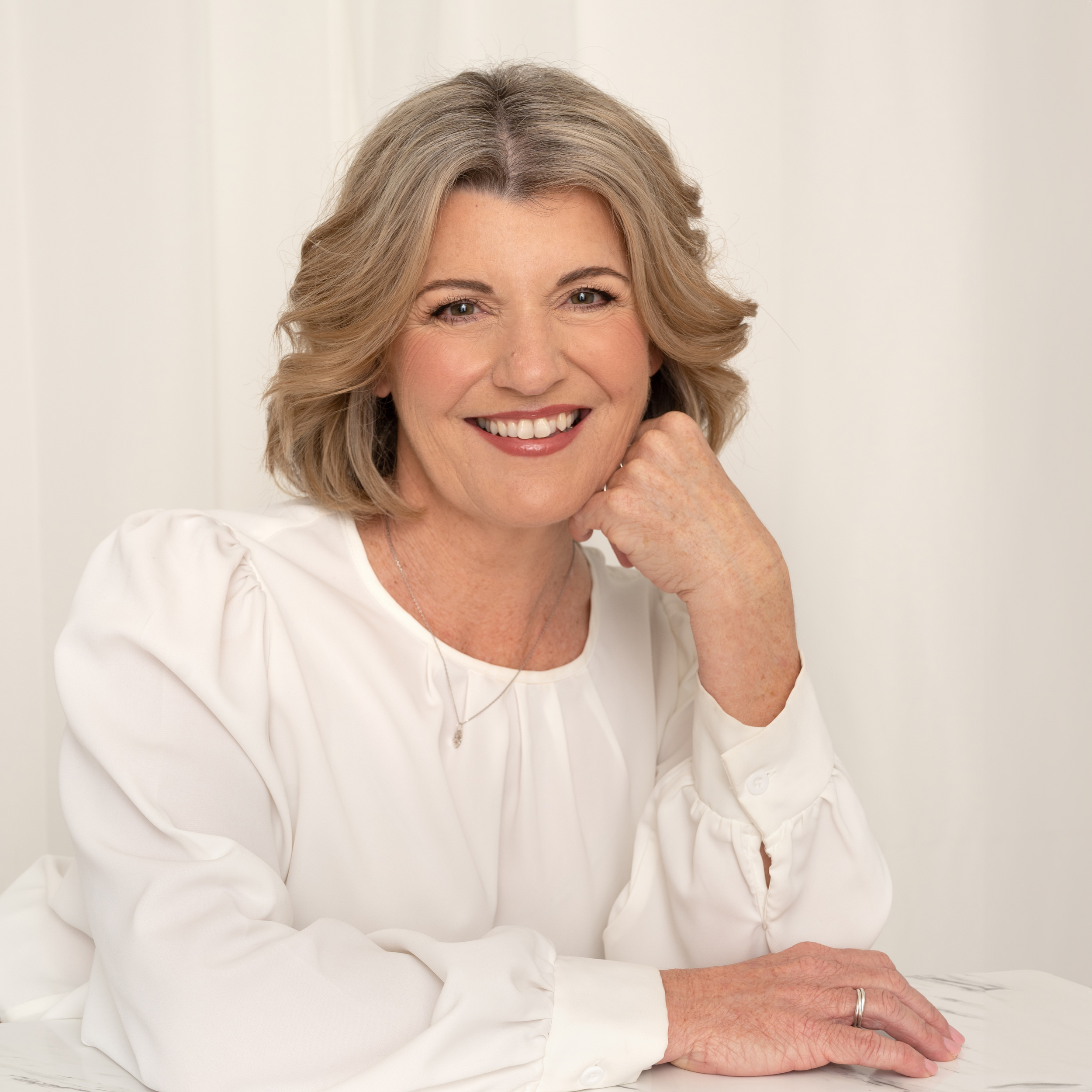
Sallyanne Keevers is a PACFA Clinical Member and Registered Supervisor, and an ACA Level 2 Member and Registered Supervisor, based in Queensland, Australia. She specialises in IFS, Brainspotting, and trauma-informed depth psychotherapy for women, and offers clinical supervision for counsellors and psychotherapists. Sallyanne works exclusively online with women across Australia and internationally.