
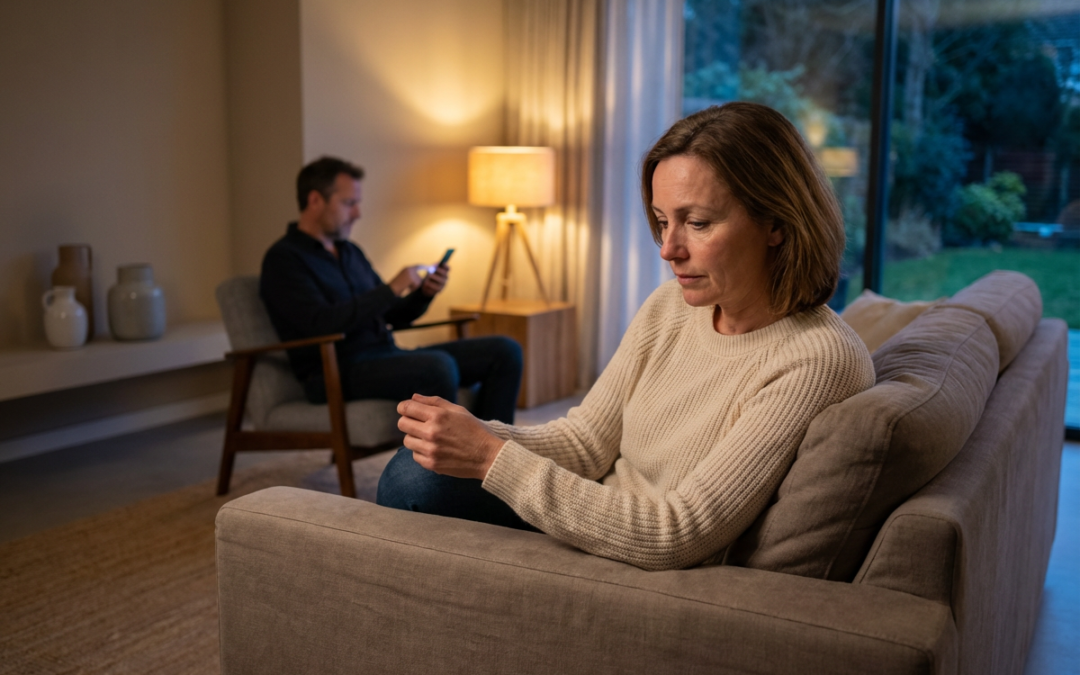
Relational burnout in women does not usually explode.
It fades.
You still care.
You still show up.
You still function.
But something inside feels tired in a way that is harder to explain.
You may find yourself thinking:
“I don’t have anything left.”
“I just want to be left alone.”
“I’m tired of being the strong one.”
Relational burnout is not dramatic.
It is depletion.
How Relational Burnout in Women Develops Over Time
Relational burnout in women rarely happens suddenly. It builds gradually through repeated moments of over-functioning, emotional monitoring, and taking responsibility for the relational atmosphere.
At first, it can feel like competence. You are organised. Attuned. Reliable.
Over time, however, the nervous system remains in a subtle state of vigilance. You are anticipating needs, smoothing tension, and adjusting yourself in order to maintain stability.
When this pattern continues without reciprocity, relational burnout in women becomes almost inevitable. The body begins to withdraw energy. Motivation drops. Irritability increases. Emotional warmth can feel harder to access.
This is not a character flaw. It is depletion.
Relational Burnout in Women and the Nervous System
Relational burnout in women also has a physiological component.
When you are repeatedly responsible for maintaining connection, your nervous system may stay in a mild but chronic stress response.
You are tracking tone.
You are scanning for conflict.
You are anticipating disappointment.
Even when nothing dramatic is happening, the body is working.
Over time, this sustained effort can lead to emotional flatness or shutdown. Some women describe feeling numb. Others feel chronically tense.
Relational burnout in women is not just emotional fatigue. It is the nervous system signalling that it cannot continue at the same pace without support.
What Is Relational Burnout?
Relational burnout happens when emotional effort outweighs emotional return for a sustained period.
It can develop when:
- You are carrying most of the emotional labour
- You feel responsible for harmony
- You are the initiator of repair
- You rarely feel emotionally supported
- Your needs feel secondary
Over time, the nervous system stops trying as hard.
Not because you do not care.
But because it is tired.
If this dynamic feels familiar, you may want to read Emotional Labour in Relationships: When One Person Carries the Weight.
How Relational Burnout Feels in the Body
Relational burnout is not just cognitive.
It often feels like:
- Emotional numbness
- Irritability that surprises you
- Reduced patience
- A subtle withdrawal
- Fantasising about escape
- Feeling alone while partnered
This can overlap with emotional exhaustion and invisible mental load.
But relational burnout has a particular flavour:
It is the tired that comes from caring for too long without being cared for in return.
Why Women Are Vulnerable to Relational Burnout
Women are often socialised to:
- Maintain connection
- Notice relational shifts
- Anticipate emotional needs
- Absorb tension
When these skills are overused without reciprocity, burnout becomes predictable.
This is not personal failure.
It is relational imbalance.
And sometimes systemic conditioning.
Relational Burnout and Anxiety
Burnout does not always lead to collapse.
Sometimes it leads to anxiety.
When you feel relationally unsupported, your nervous system may compensate by becoming more vigilant.
More aware.
More scanning.
More tense.
You may relate to Emotional Labour and Anxiety if this pattern feels familiar.
Relational Burnout in Women and the Nervous System
Relational burnout in women also has a physiological component.
When you are repeatedly responsible for maintaining connection, your nervous system may stay in a mild but chronic stress response.
You are tracking tone.
You are scanning for conflict.
You are anticipating disappointment.
Even when nothing dramatic is happening, the body is working.
Over time, this sustained effort can lead to emotional flatness or shutdown. Some women describe feeling numb. Others feel chronically tense.
Relational burnout in women is not just emotional fatigue. It is the nervous system signalling that it cannot continue at the same pace without support.
What Helps Relational Burnout?
Not forcing gratitude.
Not pretending everything is fine.
What helps is:
- Naming the imbalance
- Reducing over-functioning
- Allowing shared responsibility
- Tolerating temporary discomfort
- Examining why you feel responsible for everything
Relational burnout often softens when emotional responsibility becomes mutual rather than managed.
FAQs
Is relational burnout the same as relationship dissatisfaction?
Not exactly. You may still love your partner. Burnout refers to emotional depletion rather than lack of care.
Can relational burnout be repaired?
Yes. When imbalance is acknowledged and responsibility is shared, relationships can regain vitality.
How do I know if I am burnt out relationally?
If you feel chronically tired, resentful, or emotionally flat despite ongoing effort, it may be relational burnout.
Further Reading
- Emotional Labour and the Exhausted Woman
- Emotional Labour in Relationships
- Invisible Mental Load for Women
- Emotional Labour and Anxiety
Closing Reflection
If you stopped carrying the emotional weight in your relationship, what part of you fears what might unravel, and what might finally rest?
If you’re unsure what kind of support is right for you, you may find this helpful:
What Kind of Therapist Should I See for Anxiety in Australia?
If you’d like to explore whether this is a fit:
Not sure yet whether therapy is right for you? You are welcome to book a free 15-minute chat, or ask me a question.
If you recognise yourself in this, the checklist below might help you see what you’ve been carrying.
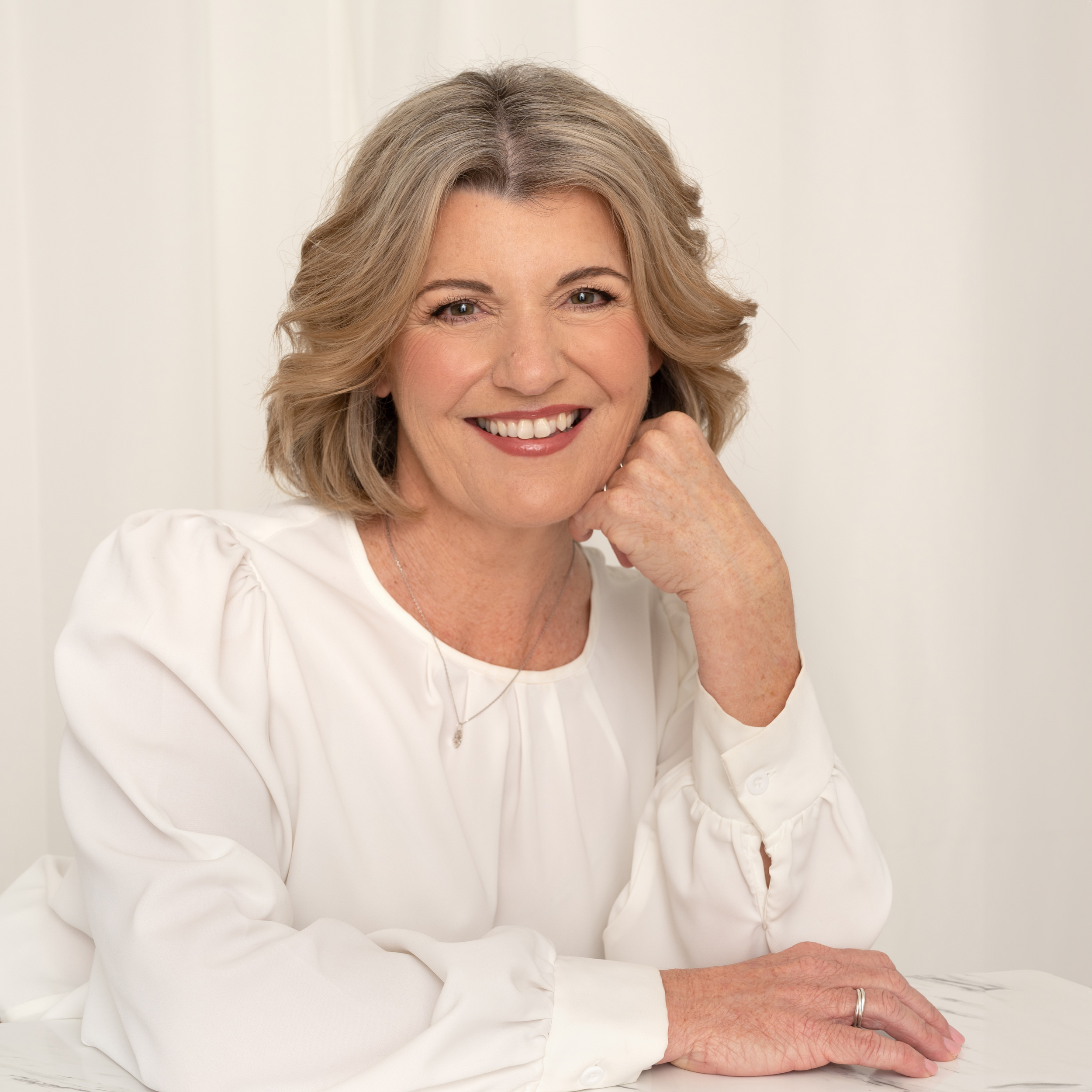
Sallyanne Keevers is a PACFA Clinical Member and Registered Supervisor, and an ACA Level 2 Member and Registered Supervisor, based in Queensland, Australia. She specialises in IFS, Brainspotting, and trauma-informed depth psychotherapy for women, and offers clinical supervision for counsellors and psychotherapists. Sallyanne works exclusively online with women across Australia and internationally.